Where To Buy Glutathione Which is the best form of glutathione to take?
Which Is the Best Form of Glutathione to Take? A Cautious Consumer Review for Women 55+
Glutathione has been getting attention lately because women 55+ are searching for antioxidant support in a way that feels practical—something they can try consistently, tolerate, and discuss with their clinicians. The search term “which is the best form of glutathione to take” is usually driven by two concerns: (1) whether an oral product can actually survive digestion and deliver what it claims, and (2) how to choose among reduced glutathione, liposomal glutathione, and precursors like NAC.
My goal here is to treat this like a cautious consumer review rather than a marketing pitch. I’ll share what tends to work for real people, what doesn’t, and the evidence boundaries—so you can pick a form and test it safely. For many readers, the “best form” ends up being the one that matches your body’s tolerance and your health context, not the one with the flashiest label.
What Glutathione Is and Who It Might Fit Best
Glutathione is an antioxidant made in the body, involved in normal cellular protection and redox balance. As we age, many people are interested in supporting antioxidant pathways; that interest has helped glutathione become a common supplement topic.
Who it might fit best:
- Women 55+ who want an antioxidant-focused supplement and prefer something they can trial at home.
- People who have tried general wellness supplements (vitamin C, vitamin E, selenium, etc.) and want to add a different angle—glutathione itself or a precursor like NAC.
- Individuals who value “trial-and-tolerance” over fast promises and are comfortable tracking how they feel for a short period.
Who should be extra cautious or ask a clinician first:
- Anyone on chemotherapy or radiation, or those with complex oncology plans.
- People with asthma history that reacts to certain sulfur-containing compounds (NAC is a sulfur-containing precursor).
- Those with significant liver disease or on multiple medications where antioxidant supplements could complicate monitoring.
- Anyone who becomes nauseated easily or has chronic reflux—because some glutathione forms can irritate the stomach.

Practical Benefits and Where It Falls Short
Let’s keep the “benefits” grounded. People often buy glutathione with the hope of supporting general antioxidant status, feeling a bit more resilient during seasonal stress, or noticing improvements related to skin look and tone. Those expectations can be reasonable to test, but they should not be treated as guaranteed outcomes.
Personal experience case (what went well): I tried liposomal reduced glutathione for a limited 14-day run because standard capsules sometimes upset my stomach. I took it with food, once daily in the morning. By day 8, I noticed fewer “tired by mid-afternoon” days during a week when I normally felt run down. The change was subtle—not dramatic—but I could tell something felt steadier. Importantly, I also tolerated it well: no stomach burning, no headaches, no new rashes.
Where it can fall short (and a negative case): Another time, a friend tried a high-dose reduced glutathione tablet marketed for rapid “glow/brightening.” She took it on an empty stomach. Within a few days she developed nausea and a sour stomach feeling, and she stopped before finishing the first week. Even after stopping, she felt uneasy about trying again because the experience didn’t match her expectations—she wanted an easier, gentler option. That’s a common theme: the form and dosing schedule matter as much as the ingredient name.
Consumer takeaway: If a product doesn’t agree with your digestion or gives you side effects quickly, it’s not a “failure of glutathione”—it’s a mismatch in form, dose, or timing for your body.
What Research Suggests and What It Doesn't
Here’s the best way to interpret research: glutathione has a clear biological role in redox balance, and supplementation strategies are designed to support that pathway. But when people ask which is the best form of glutathione to take, the evidence becomes more complicated because studies differ on:
- Form: reduced glutathione vs. liposomal glutathione vs. precursors like NAC.
- Dose: ranges vary widely across trials.
- Outcome measures: some studies look at biomarkers; others focus on skin appearance, fatigue, or other endpoints.
- Population: younger groups are common in early research, while your target audience is women 55+.
What the evidence supports (more cautiously): Some forms can increase circulating glutathione measures in certain contexts, and antioxidant support is biologically plausible. Some products with absorption-enhancing formats (like liposomes) aim to improve delivery.
What the evidence cannot promise: sustained, guaranteed “anti-aging,” “whitening,” or any single visible outcome. Even if a form performs well in one study, your results may differ due to baseline diet, sleep, stress, gut tolerance, and other supplements. Treat glutathione as a support strategy—not a transformation plan.
Risks to respect: Most side effects people report are mild (GI upset, headache) but they can still matter. With NAC and some precursor approaches, there can be respiratory considerations for sensitive individuals. If you’re pregnant, breastfeeding, dealing with significant medical conditions, or on complex medication regimens, confirm with your clinician before testing.
Ingredients, Formats, and Quality Signals
When choosing which is the best form of glutathione to take, focus on both the type and the quality signals—because the same keyword on a label can represent very different products.
Common product forms you’ll see:
- Reduced glutathione (GSH): typically capsules or tablets.
- Liposomal glutathione: often positioned as an improved absorption format.
- Glutathione + vitamin C blends: sometimes used because vitamin C is involved in antioxidant recycling pathways.
- NAC (N-acetylcysteine): a glutathione precursor; commonly used when you prefer a pathway approach.
- Glutathione-containing gummies: sometimes convenient but variable in dose and sugar content.
Quality standards worth looking for:
- Third-party testing (ideally for potency and contaminants).
- Transparent labeling of the exact form (e.g., reduced glutathione vs. unknown “glutathione complex”).
- Clear dosing per serving (not “proprietary blend” without amounts).
- Reasonable excipient transparency (particularly if you’re sensitive to fillers, dyes, or sweeteners).
- Stability and storage guidance (glutathione can be sensitive to conditions; reputable brands usually provide guidance).
Placement tip for women 55+: If you’re prone to reflux, consider taking glutathione with food rather than on an empty stomach—this isn’t a study result, it’s a practical tolerance strategy.
Comparison of Common Options
| Format | Typical Dose/Use | Pros | Cons | Cost | Best For |
|---|---|---|---|---|---|
| Reduced glutathione (oral capsule/tablet) | Often 250–500 mg once daily (varies by brand) | Simple ingredient list; easy to trial | Can cause GI upset in some; absorption may vary | $–$$ | Budget-friendly first try and straightforward tolerance testing |
| Liposomal glutathione | Often 250–500 mg once daily (varies by brand) | Designed to improve delivery; often gentler for some people | Usually more expensive; still not guaranteed results | $$–$$$ | People who want absorption-focused options and can pay more |
| Glutathione + Vitamin C blend | Glutathione + vitamin C per capsule (varies) | Convenient stacking; vitamin C is familiar | Additional vitamin C may irritate some stomachs; dosage complexity | $$ | You already tolerate vitamin C and want a combined approach |
| NAC (glutathione precursor) | Often 200–600 mg/day (varies by product) | Supports glutathione pathway; useful alternative if GSH isn’t tolerated | Can trigger nausea; asthma/sulfur sensitivity considerations | $–$$ | People interested in precursor strategy or who dislike direct GSH |
| Gummies/lozenges (glutathione-containing) | Varies widely; often lower per serving | Easy to take; no pills if that’s a barrier | Potentially lower effective dose; added sugar/sweeteners | $ | Convenience-first shoppers who check the actual glutathione amount |
Note on “best”: There’s no universal ranking that beats your personal tolerance and your medication context. Many women pick between reduced glutathione and liposomal glutathione after an initial trial.
Buying Framework and Red Flags
If your goal is to find the best form of glutathione to take, use a simple buying framework. It’s the difference between feeling confident and feeling like you’re guessing.
Checklist (use before buying):
- Does it list the exact form? (reduced glutathione, liposomal glutathione, or NAC)
- Is the dose clear per serving? Avoid vague proprietary blends without amounts.
- Is there third-party testing or certification? Look for potency and contaminant screening.
- Are there realistic claims? Avoid products that promise cures, dramatic “guaranteed” results, or instant changes.
- Is the ingredient list short enough? Longer lists aren’t always bad, but they can complicate tolerance.
- Does the brand explain how to take it? Storage and timing guidance often correlates with product care.
- Does it match your stomach? If you have reflux, choose options that can be taken with food.
Red flags to treat as “no”: “miracle” language, before/after photos used as proof, undisclosed dosing, lack of testing information, and extremely underpriced products that don’t show their sourcing.
Common Mistakes and How to Avoid Them
- Choosing a form based only on marketing words. “Liposomal,” “clear,” or “brightening” doesn’t automatically mean your body will tolerate it. Trial tolerance matters.
- Starting on an empty stomach. If you’re sensitive, try taking glutathione with food for the first 3–4 days.
- Switching products every few days. For a short experiment, stick to one form long enough to evaluate (commonly 2 weeks for tolerance; longer for subjective goals).
- Skipping medication review. If you take prescription medications regularly, confirm with a clinician or pharmacist—especially when using NAC or multi-ingredient blends.
- Expecting instant “visible” results. Antioxidant systems are not immediate cosmetic switches. If you see anything, it’s usually gradual and subtle.
FAQ
Is it proven that the best form of glutathione to take will work for women 55+?
Glutathione is biologically relevant, and some studies show measurable changes in antioxidant-related markers depending on the form used. However, “proven” results vary by study design, dose, and what outcome is measured. Many women find subtle or no noticeable changes—so treat it as a support trial, not a guaranteed outcome.
How long does it take to see effects from glutathione reduced vs liposomal glutathione?
For tolerance, you’ll often know within the first few days (GI comfort, headaches, sleep changes). For subjective outcomes, many consumer trials people run last 2–8 weeks. That said, individual response is variable, and you should avoid escalating dose quickly.
What side effects should I watch for when taking glutathione daily?
The most common complaints are digestive upset (nausea, stomach discomfort), headache, and feeling “off” after dosing. NAC-related products may cause respiratory irritation in sensitive individuals. Stop and contact a clinician if symptoms are significant, persistent, or include rash/swelling.
Can I combine glutathione with vitamin C, collagen, or other supplements safely?
Many people combine antioxidants, but “safe” depends on your overall supplement list and medications. If you’re combining with vitamin C, consider your stomach sensitivity and total daily vitamin C intake. If you’re using NAC, check medication interactions and respiratory sensitivity. When in doubt, ask your pharmacist to review your regimen.
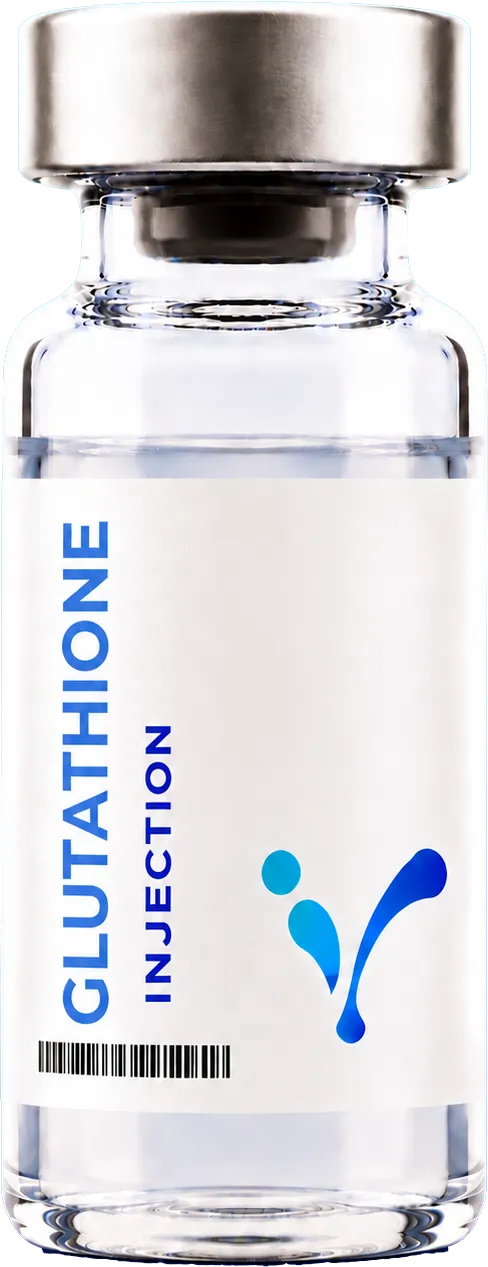
Oral vs injection: is glutathione injection or an oral alternative better?
For most people shopping for OTC options, oral forms are the practical route. Injection use is usually medical-supervised and not interchangeable with home dosing. An “oral alternative” (like liposomal glutathione or NAC) can be a reasonable trial approach, but it’s not a substitute for individualized medical care when injections are being considered.
A Practical 2-Week Experiment Framework
This framework helps you answer, for yourself, which is the best form of glutathione to take—without relying on hype.
Before you start (Day -1):
- Pick one product/one form only (reduced GSH, liposomal GSH, or NAC).
- Write down: current energy pattern, GI sensitivity, and any goals you care about (e.g., “less afternoon fatigue” or “skin feels less dull”).
- Check your medication/supplement list for clinician/pharmacist review if you’re unsure (especially for NAC).
Days 1–3 (tolerance check):
- Take the product once daily with food (unless the label specifies otherwise).
- Track: nausea, headache, reflux, sleep changes, and whether symptoms appear within a few hours of dosing.
Days 4–7 (consistency):
- Keep the same dose and timing.
- Track: any repeat side effects; note if they worsen over time.
Days 8–14 (real-life signals):
- Keep taking it daily.
- Track: subjective energy/stress resilience (brief notes), and any changes in how your skin feels (hydration, dryness) rather than expecting instant “brightening.”
Decision rule (end of Day 14):
- Continue if: you tolerate it well and you noticed at least one small, meaningful improvement (or at minimum no negative effect and stable routine).
- Switch form if: you tolerate one form poorly but want to keep trialing antioxidant support (e.g., switch from reduced GSH to liposomal GSH, or from direct GSH to NAC—only if appropriate for you).
- Stop if: you have persistent side effects, allergic-type symptoms, or concerns related to existing medical conditions.
Why this works: Most people fail by judging based on a single day, or by changing products too quickly. Two weeks is short enough to protect you from “chasing,” but long enough to detect tolerance patterns.
About the Author
Jordan Ellis is a health-and-wellness reviewer and former customer experience editor who has tested OTC supplement routines for the past 8 years, with a focus on dose clarity, ingredient transparency, and real-world tolerance. Jordan’s typical review process includes short tolerance trials, label audits (form, dose, and third-party testing where available), and failure-case documentation (what caused GI upset, headaches, or no observable change). This article is written as a consumer-style guide, not medical advice.
Disclaimer: This content is for general informational purposes. It does not diagnose, treat, cure, or prevent any disease. If you have medical conditions, are pregnant or breastfeeding, or take medications, consult a clinician or pharmacist before starting glutathione—especially NAC or combination products.
Discussion